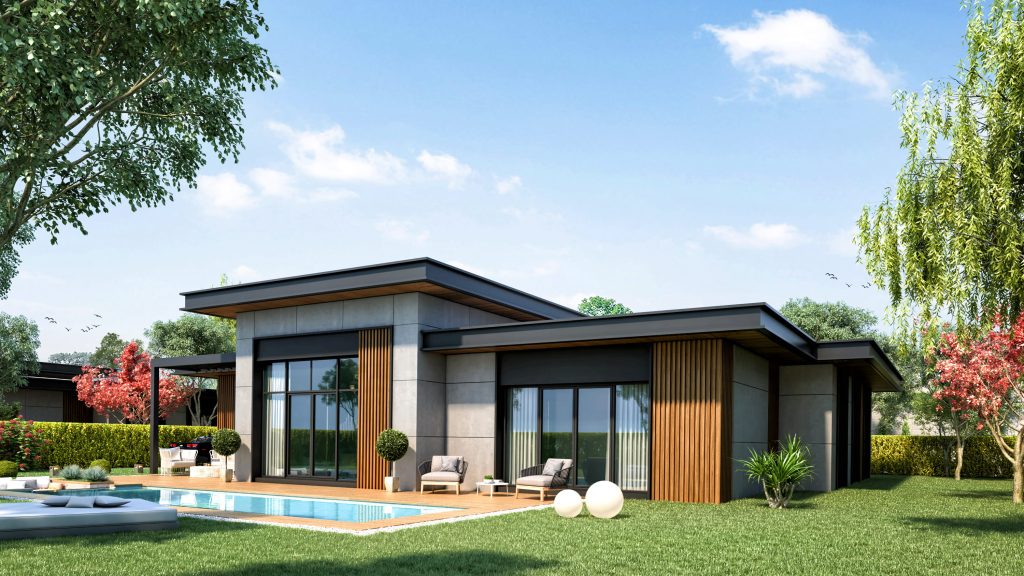
A sustainable lifestyle is a philosophy that individuals and communities can adopt to protect the future of our planet and improve social well-being. This philosophy involves using natural resources responsibly, minimising environmental harm, and maintaining a balance between social justice and economic sustainability.
Elements of a Sustainable Lifestyle
-
Energy Efficiency
One of the key elements of a sustainable lifestyle is making energy use more efficient. Turning to renewable energy sources such as solar, wind and hydroelectric power, using energy-efficient household appliances and preventing unnecessary energy consumption are all important steps in this direction. -
Environmental Awareness
Living in an environmentally responsible way includes practices such as reducing waste, recycling, conserving water and choosing eco-friendly products. This approach contributes to the protection of natural habitats and helps ecosystems remain healthy. -
Fair Trade and Responsible Consumption
A sustainable lifestyle supports local producers and workers by embracing fair trade principles. In this context, choosing products from companies with ethical production processes and becoming a conscious consumer are increasingly important. -
Healthy Living and Nutrition
A sustainable lifestyle includes healthy eating habits and regular physical activity. Consuming organic and locally produced foods, choosing plant-based alternatives and reducing food waste can benefit both the environment and personal health. -
Education and Awareness
One of the most important ways to promote sustainable living is through education and awareness. Increasing public understanding of environmental issues, the sustainable use of resources and social equality makes it easier for communities to adopt this way of life. -
Sustainable Transportation
Using public transport, cycling, walking or choosing electric vehicles supports a more sustainable approach to mobility. These transportation options reduce carbon footprints and help minimise negative environmental impacts.
Benefits of a Sustainable Lifestyle
Adopting a sustainable lifestyle offers many benefits at both individual and societal levels:
- Environmental benefits: It enables natural resources to be used for longer periods and contributes to the protection of ecosystems.
- Economic benefits: Energy savings, waste reduction and support for local economies help reduce costs for both individuals and communities.
- Health benefits: Clean air, healthy food and an active lifestyle improve overall health and quality of life.
- Social benefits: Fair trade and equitable economic principles help reduce social inequalities and strengthen social cohesion.
- A legacy for future generations: Protecting natural resources and ecosystems helps leave a more liveable world for future generations.
“Sustainable living means meeting today’s needs without consuming tomorrow’s opportunities.”
At EMS Yapı, we are committed to putting these principles into practice not only in our projects, but also within our corporate culture. At Brand Vadi Istanbul, sustainability is not considered an option, but a standard. This understanding guides every construction decision, every material choice and every stage of the design process.
A sustainable lifestyle reflects the responsibility individuals and communities have towards the future. By prioritising both environmental and social well-being, this philosophy contributes to creating a more liveable world.